

Tipón, Piquillacta, Andahuaylillas
Temple of Andahuaylillas
- Meals
- Not included
- Accommodation
- Not included
- Difficulty
- Easy
- Walking distance
- 1-2 km approx.
- Walking time
- 2-3 hours (guided tour and free time)
- Start elevation
- 3,399 m (Cusco)
- Lowest point
- 3,122 m (Andahuaylillas)
- Highest point
- 3,500 m (Tipon)
- Stop 01
Departure from Cusco
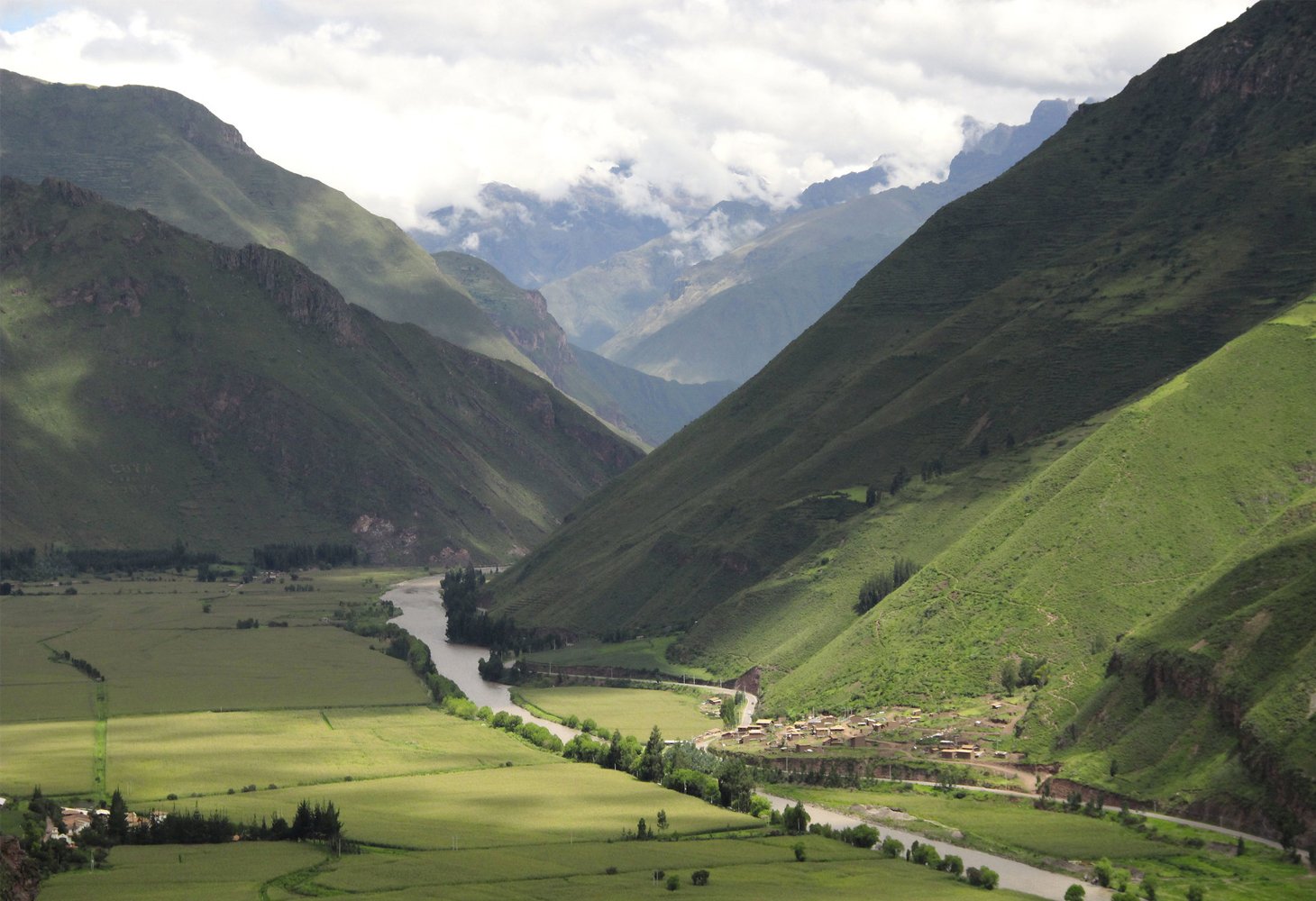
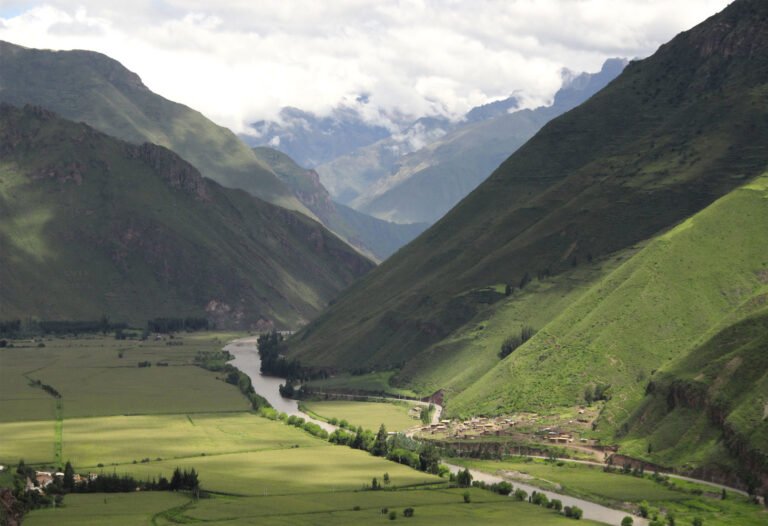
The tour begins with hotel pickup and transfer by tourist transport to the South Valley. Unlike other tours that involve long journeys, this tour is ideal for those looking to learn more about the history and culture of Cusco without straying too far from the city.
- Stop 02
Tipón
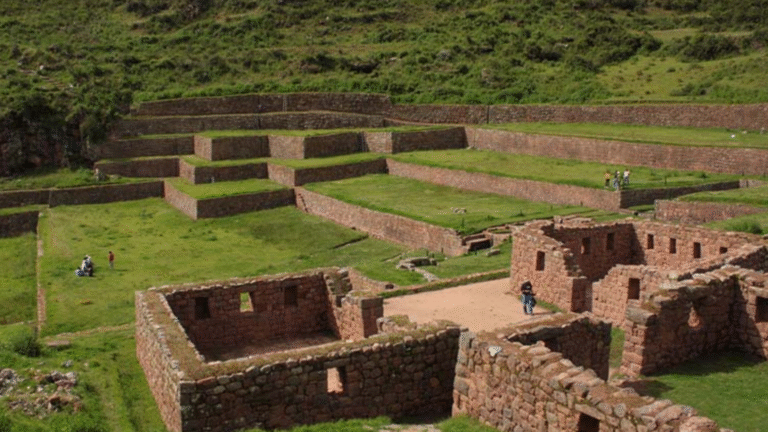
The first stop is Tipon, an Inca archaeological site that stands out for its impressive irrigation system. It is a set of agricultural terraces connected by a complex system of water channels that, surprisingly, are still in operation after centuries. The Incas considered water a sacred element, and this place is a sign of their ability to manage natural resources. Walking between its perfectly carved stone walls allows you to understand the high level of engineering they achieved.
- Stop 03
Piquillacta
Following the tour, we arrive at Piquillacta, a pre-Inca city belonging to the Wari culture (6th-9th centuries AD). Unlike the Inca centers, here you can see smaller stone constructions, but with an urban design that was very advanced for its time. Piquillacta had well-organized streets, multi-level housing, and administrative spaces that show the development of a civilization that preceded the Incas. From its elevated trails, you can observe the plains of the valley, which gives an idea of why this place was chosen as an important administrative and ceremonial center.
- Stop 04
Andahuaylillas
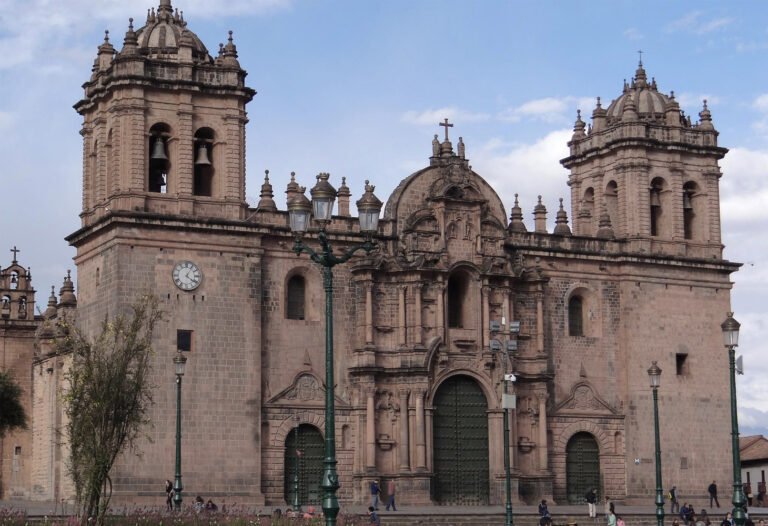
The last stop of the tour is in the town of Andahuaylillas, where the church of San Pedro de Andahuaylillas, nicknamed the "Sistine Chapel of America", is located. Its exterior appearance is simple, but its interior is a true work of art. Its carved wooden ceilings, the frescoes that cover the walls and the golden altar make this church one of the most beautiful in Peru. Built in the 16th century on an ancient Inca base, it reflects the process of cultural fusion between Andean tradition and European influence during colonization.
- Stop 05
Return to Cusco
After visiting these three fascinating sites, we set off on the return to Cusco. Along the way, you can spot traditional villages such as Saylla, famous for its Cusco chicharrón, and Oropesa, the bread capital of Peru. If time is available, a short stop can be made to sample these local products.